
|
 |
 |
 |
|
 |
|
 |

Home
: Entertainment
: Relationships
: Shopping Guide
: Bride
: Living : Careers
: Letters
: Competitions
: Directory
: Forum
: |
 |
|
 |
|
|
Different Shades of Green...
If you think green tea is green tea, then you will be surprised
by the range of flavours you find in the world of green tea. Green
tea is made of unfermented tea leaves and there are two main green
tea producers in the world: China and Japan. Many other countries
are catching onto the green tea health bandwagon and producing green
tea. Let’s explore the main categories of green tea. Japenese Green Tea: Matcha is a powder made from young green tea tea leaves and its infusion is surely green through and through. In Japan, matcha is usually drunk in tea ceremonies. Because of its strong taste and powder form, it lends itself easily to cooking. It is hence used in many Japanese desserts and nowadays you can find matcha milkshake and matcha cookies in Asian foodstores. Japanese green tea is dried by the steaming or hot air method, so the leaves remain grassy tasting. Any Others? Formosa green tea is lightly fermented and like other oolong, it yields a golden-light green infusion. Its 2nd and 3rd infusion tastes the best. Taiwan does produce a small quantity of “true” green tea. You might have also seen Indian green tea. It is not very common and we have found its taste and infusion colour not dissimilar to its black tea cousin. Kenya also produces green tea with a bolder and astringent taste not so dissimilar to some stronger types of Chinese greeen tea. What about health benefits and caffeine?
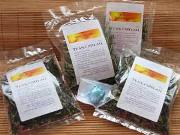
Photos and article by www.teas.com.au. Check out more information on tea drinking, tea recipes or simply grab some different tea to venture out from your usual tea repetoire at www.teas.com.au - open 24/7! Sign up for our monthly newsletter for more specials, tips & tricks. Wholesale and retail enquiries welcome. T: 02 9411 8529
|
|
|
 |
|
 |



.jpg)

Directory
: WIN : Forum
: Shop
:Advertising
: Special Offers :
Contact
Us :
Copyright © 2005. All Rights Reserved
*Legal Statement*|
Graphic Design by My
Graphic Garden